The importance of emotional intelligence in selecting managers: the key to successful leadership in today's world
Imagine that in a critical meeting, all eyes are on the manager; the team is waiting for a decision that can determine the future of the project or even the organization. At this moment, does the manager rely merely on data and numbers? Or do they have the ability to understand the team's emotions, manage stress, and create effective communication? This is exactly where emotional intelligence (EQ) comes into the field and reveals the difference between ordinary managers and outstanding leaders.
Today, success in management does not depend only on having a high IQ or technical expertise. Managers who can understand and manage their own and others' emotions create more motivated teams, smarter decisions, and a more dynamic organizational culture. But why does EQ matter more than IQ in leadership?
In this article, we talk about the power of emotional intelligence; a skill that, beyond statistics and figures, can turn managers into agents of organizational transformation. We will also show you how emotional intelligence can be a criterion for selecting managers and what tools exist for assessing this skill. Are you ready to begin your journey into the world of emotional intelligence in management?
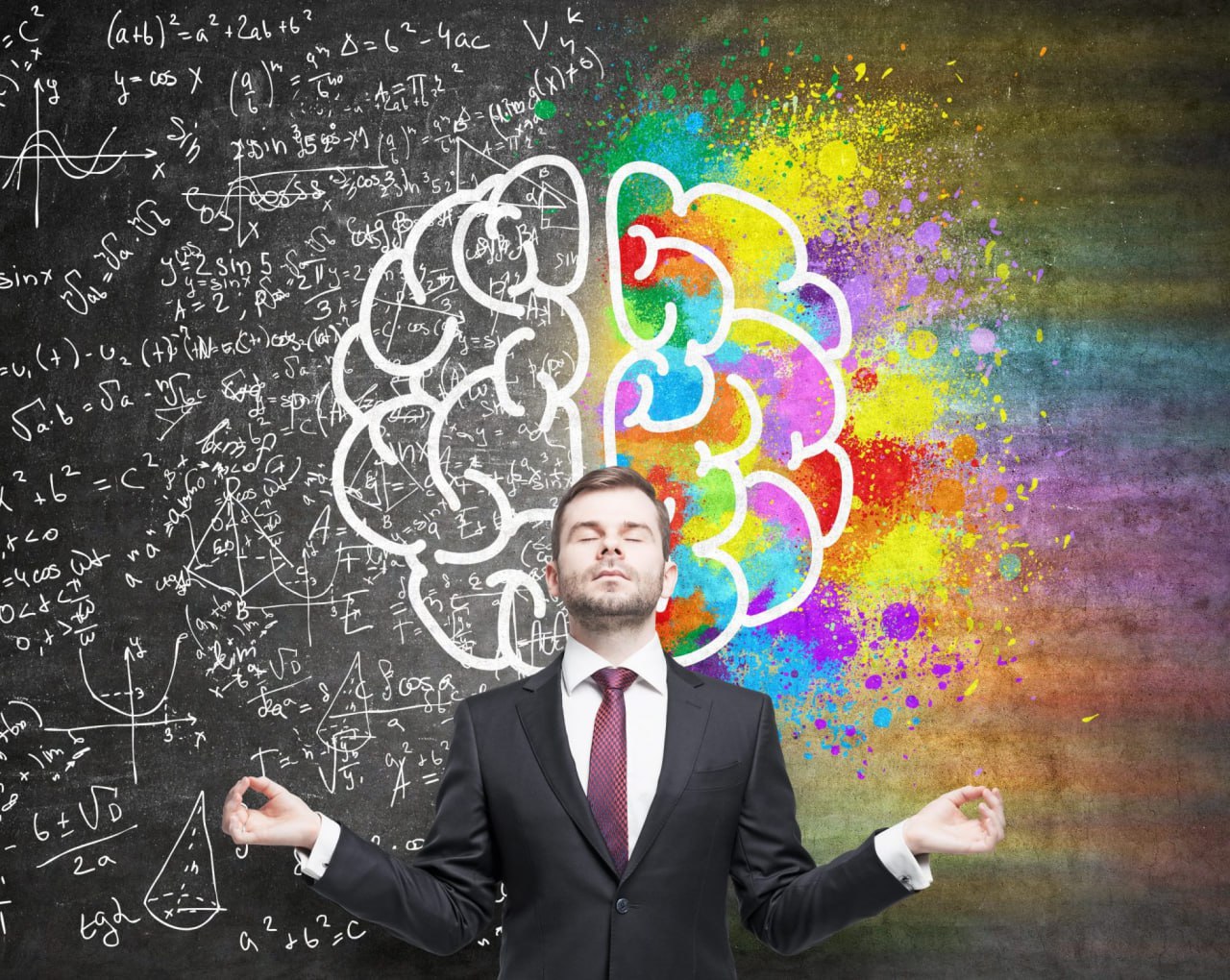
The dimensions of emotional intelligence: the components that make a leader
Emotional intelligence is like a toolbox that every manager needs for success. This skill helps leaders not only have a deep understanding of themselves and others, but also make better decisions in sensitive moments and guide the organization on the path of growth. In this section, we examine the key components of emotional intelligence that form the foundations of strong, effective leadership.
Self-awareness
The first step in emotional intelligence is a precise recognition of one's own emotions. Self-awareness allows managers to recognize their strengths and weaknesses and show better reactions in challenging moments.
- Example: Imagine a project manager realizes after a difficult meeting that their feeling of frustration may have a negative impact on their interaction with team members. Aware of these emotions, they decide to allocate some time to calm themselves before talking to the team, to avoid emotional reactions.
Social Skills
Leaders with high social awareness can read and understand their team's emotions. This skill helps them create a warmer, more dynamic atmosphere in the organization.
- Example: In a tense team meeting, the manager, understanding the team members' dissatisfaction, instead of applying pressure, creates an open-dialogue environment that leads to resolving disputes and increasing productivity.
Self-regulation
Leaders with high emotional intelligence can manage their own and the team's emotions well in difficult situations. This ability allows them to make logical, efficient decisions even in crises.
- Example: At a company, one of the managers realizes that the project schedule has fallen behind due to a mistake by one of the team members. Instead of getting angry or blaming the person, they control their emotions and hold a meeting to identify the problem and offer better solutions.
Empathy
Empathy means understanding and paying attention to others' emotions and needs, especially when making decisions. This trait helps the person create more effective communication and respond to others' needs.
- Example: Some team members face challenges in productivity due to family problems. Instead of punishment or criticism, the manager provides an opportunity for these people to manage their conditions. This behavior not only helps improve the employees' situation, but also strengthens trust and collaboration in the team.
Motivation
Motivation means having enthusiasm and a desire to achieve goals because of a sense of success and the realization of personal ideals, not merely for the sake of external rewards. This kind of motivation usually arises from within the person and helps them keep trying despite challenges.
- Example: An entrepreneur who, despite consecutive failures, enthusiastically seeks to improve their business plan to reach a bigger goal such as a change in the industry, is an example of a person with strong motivation.
How do we assess emotional intelligence in hiring managers?
Selecting competent managers is one of the most important steps for guaranteeing an organization's success. But in today's world, technical and specialized skills are no longer enough. Managers who have high emotional intelligence (EQ) can communicate better with the team, make better decisions, and improve the organizational culture. In this section, we address practical methods and tools for assessing emotional intelligence in the hiring process.
- Traditional methods versus modern tools: why should we review the old frameworks?
In the past, assessing managers was done more on the basis of work experience, technical skills, and past results. These frameworks, although important, do not necessarily guarantee managers' future success when relied upon. By contrast, modern assessment methods focus on a deeper analysis of the person's character and emotional abilities and an effort to measure managers' level of emotional intelligence.
- The challenges of traditional methods:
- An inability to identify soft skills such as self-awareness, empathy, etc.
- An excessive reliance on the résumé and past results
- Modern solutions:
- Combining psychometric tools and behavioral interviews
- Using scientific data for better decision-making
- Using advanced psychometric tools
Today, advanced psychometric tools can assess managers' level of emotional intelligence with high precision. These tools, through standard tests and precise analyses, identify the candidate's strengths and weaknesses.
- The benefits of psychological analytical tools:
- Multidimensional assessment (self-awareness, empathy, stress management, etc.)
- Reducing the likelihood of human bias in the assessment process
- Providing practical reports for better decision-making
- Behavioral interviews: smart questions for discovering emotional intelligence in the hiring process
Behavioral interviews are one of the most effective methods for assessing EQ. In these kinds of interviews, the candidate is placed in real situations and how they react is examined.
- Suggested questions:
- Describe a time you had a disagreement with a colleague or employee. How did you solve this problem?
- When you were under pressure, how were you able to manage your emotions and focus on the work?
- Recall a critical situation. What measures did you take to keep the team calm and focused?
- Goal: Examining skills such as self-awareness, empathy, the ability to resolve conflict, and stress management

The amazing impact of managers with high emotional intelligence on organizations
Managers with high emotional intelligence act beyond ordinary leaders; they are not only stronger decision-makers, but also inspire their teams and improve the organizational culture. These traits make the impact of such managers' presence in the organization very tangible and amazing. In this section, we examine the various dimensions of these impacts and provide real examples of the success of managers with high EQ.
1. Increasing team performance
Managers who have emotional intelligence can communicate well with their teams and create an environment in which people feel valued and motivated. For example, the manager of an advertising company, when facing hard deadlines, by holding short brainstorming meetings and creating a space to hear employees' concerns, can reduce the team's stress and improve productivity.
Solutions:
- Understanding the emotional needs of team members
- Creating trust and empathy among members
- Providing constructive, motivational feedback
2. Creating a positive organizational culture
A positive organizational culture is among the prominent traits of organizations led by managers with high EQ. These managers, by creating a supportive environment, help reduce the turnover rate and increase employee satisfaction. Examinations show that at a technology company, changing the HR manager to someone with high EQ can, over the course of a year, reduce the turnover rate from 25% to 12%. The new manager created a healthier, more dynamic environment by strengthening internal communication, motivational programs, and listening to employees' opinions.
Benefits:
- Increasing employees' sense of belonging to the organization
- Improving interpersonal interactions in the team
3. Better decision-making
Managers with high emotional intelligence not only use data and information, but also factor human emotions and reactions into their decisions. This ability turns them into more comprehensive decision-makers. For example, the manager of a manufacturing company can, when facing frequent customer complaints, instead of making quick, unexamined decisions, first hold meetings with the production-line staff to understand the real problems. This empathy-based approach not only led to finding a suitable solution, but also increased the staff's motivation.
Results:
- Decisions that simultaneously cover the interests of the organization and the employees
- Creating trust between managers and teams
The challenges of measuring emotional intelligence in the hiring process
Assessing emotional intelligence (EQ) is one of the most complex and at the same time most essential stages of hiring managers. Although numerous tools and methods exist for this, challenges such as bias in assessment or the difficulty of precisely measuring soft skills confront this process with obstacles. In this section, we examine these challenges and modern approaches for overcoming them.
Bias in assessments
One of the most common methods for measuring EQ is using self-report tests. In these tests, people answer about their abilities in managing emotions, empathy, and social awareness. But this method is accompanied by the following challenges:
Challenges:
- The possibility of manipulation or exaggeration in the answers to present a more positive image
- A limitation in some people's self-awareness and an inability to provide a precise answer
Solutions:
- Combining self-report tests with other methods such as behavioral interviews or 360-degree assessment
- Using tools that have the ability to detect inconsistency in the answers
A multilayer approach
For a more precise assessment of emotional intelligence, multilayer approaches can be leveraged. These approaches include a combination of advanced psychometric tests and the analysis of practical situations.
The benefits of advanced psychometric tests:
- Assessing various EQ skills such as self-awareness, empathy, and stress management
- Providing reliable results based on standard algorithms
How can managers strengthen their emotional intelligence?
Emotional intelligence (EQ) is not a theoretical concept; rather, it is a practical skill that can create tangible results in organizations. As we said, EQ is one of the most important skills for managers, which has a large impact on individual and organizational success. Managers can, by using various strategies, strengthen their EQ and turn into more effective leaders. In this section, we examine various methods for strengthening emotional intelligence.
Personal-development programs: from training workshops to professional coaching
To strengthen emotional intelligence, managers can benefit from various training programs. These programs include workshops and specialized courses that help them improve their emotional skills and emotional intelligence.
- Training workshops: These workshops usually help managers strengthen self-awareness, empathy, and stress-management skills.
- Professional coaching: Many managers, by collaborating with professional coaches, work on their soft skills and, in 360-degree feedback processes, receive useful opinions and advice from others.
Practical exercises: daily self-awareness and active-listening skills
Daily practical exercises can help managers improve their emotional intelligence:
- Daily self-awareness: Managers should take time and pay attention to their emotions each day, identify them, and examine how these emotions affect their decisions and behaviors.
- Active listening: This skill helps managers listen well to others, understand their emotions and needs, and give suitable, empathetic answers. This exercise can help strengthen intra-team and inter-team relationships.
Emotional intelligence, the pillar of success in organizational leadership
Emotional intelligence, as one of the main pillars of success in organizational leadership, has a remarkable impact on individual and organizational interactions. Managers who have the skill of understanding and managing their own and others' emotions can not only create healthy, dynamic work environments, but also make smarter decisions when facing complex challenges. These leaders, by leveraging their abilities in empathy, self-awareness, and stress management, have the ability to create motivation in teams and maximize the organization's productivity.
Imagine how your organization will grow under the leadership of managers with a high level of emotional intelligence. At HR Bamboos, we are ready to help you select and cultivate such managers using advanced psychometric tools and offering professional consulting services in the area of human resources. Get in touch with us to take the first step toward a more successful future.
Stay tuned and follow us on our social media!